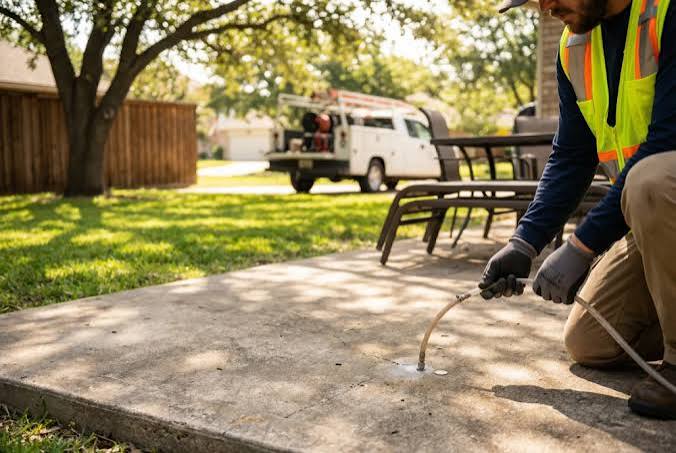
Commercial Foam Lifting for Retail Plaza Concrete Repair: Fast, Precise, ADA-Compliant Solutions
commercialfoamlift >> Commercial Foam Lifting vs Mudjacking vs>> Commercial Foam Lifting for Retail Plaza Concrete Repair: Fast, Precise, ADA-Compliant Solutions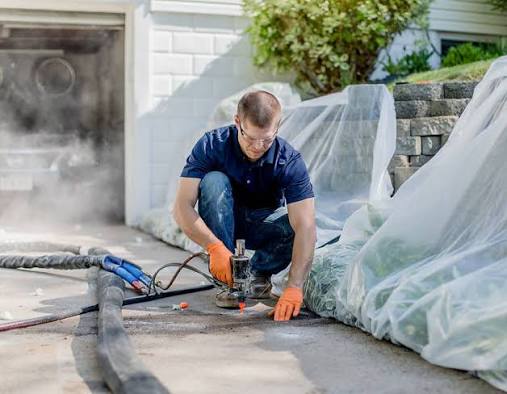
Commercial Foam Lifting for Retail Plaza Concrete Repair: Fast, Precise, ADA-Compliant Solutions
Commercial Foam Lifting for Retail Plaza Concrete Repair
⏱️ 8 min read · Last updated: 2026
Commercial foam lifting for retail plaza concrete repair is a fast, cost-effective way to level sunken slabs without shutting down your property. It restores safe, ADA-compliant walkways while keeping tenant disruption low. As a result, retail plaza owners can address trip hazards quickly and avoid costly full replacement. Compared with mudjacking or slab replacement, foam lifting is quicker, lighter, and more precise. In this guide, you’ll learn how it works, what it costs, how it supports compliance, and which mistakes to avoid so you can choose the right repair for your retail plaza.
Source: dataintelo.com
Quick Answer: Commercial foam lifting for retail plaza concrete repair provides fast, non-disruptive solutions that meet ADA compliance and minimize tenant downtime. Projects typically last 2-4 hours, ensuring entrances and walkways remain safe and accessible without prolonged closures.
Key Facts: Commercial Foam Lifting for Retail Plaza Concrete Repair (2026)
- Average project duration: 2-4 hours
- ADA maximum slope: 1:12 ratio
- Patch visibility standard: less than 0.5 inches
- Slip-and-fall documentation: required for all repairs
- Cost per linear foot: $10–$15
How does commercial foam lifting for retail plaza concrete repair work?
Commercial foam lifting works by injecting expanding polyurethane foam beneath sunken concrete slabs. The foam fills voids and gently raises the slab to its correct level. Unlike mudjacking, which uses a heavy cement slurry, foam is lightweight. Therefore, the ground below carries less load, and the lift stays precise.
That precision starts with polyurethane foam density. The foam’s density controls how fast it lifts and how stable the final result is. Higher density foam fills gaps without overextending, which helps prevent new uneven spots. In busy retail settings, that control matters because even small height changes can create trip hazards.
| Method | Material | Weight | Environmental impact |
|---|---|---|---|
| Foam lifting | Polyurethane foam | Light | Low |
| Mudjacking | Cement slurry | Heavy | Moderate |
The correct way to repair retail plaza concrete — step by step
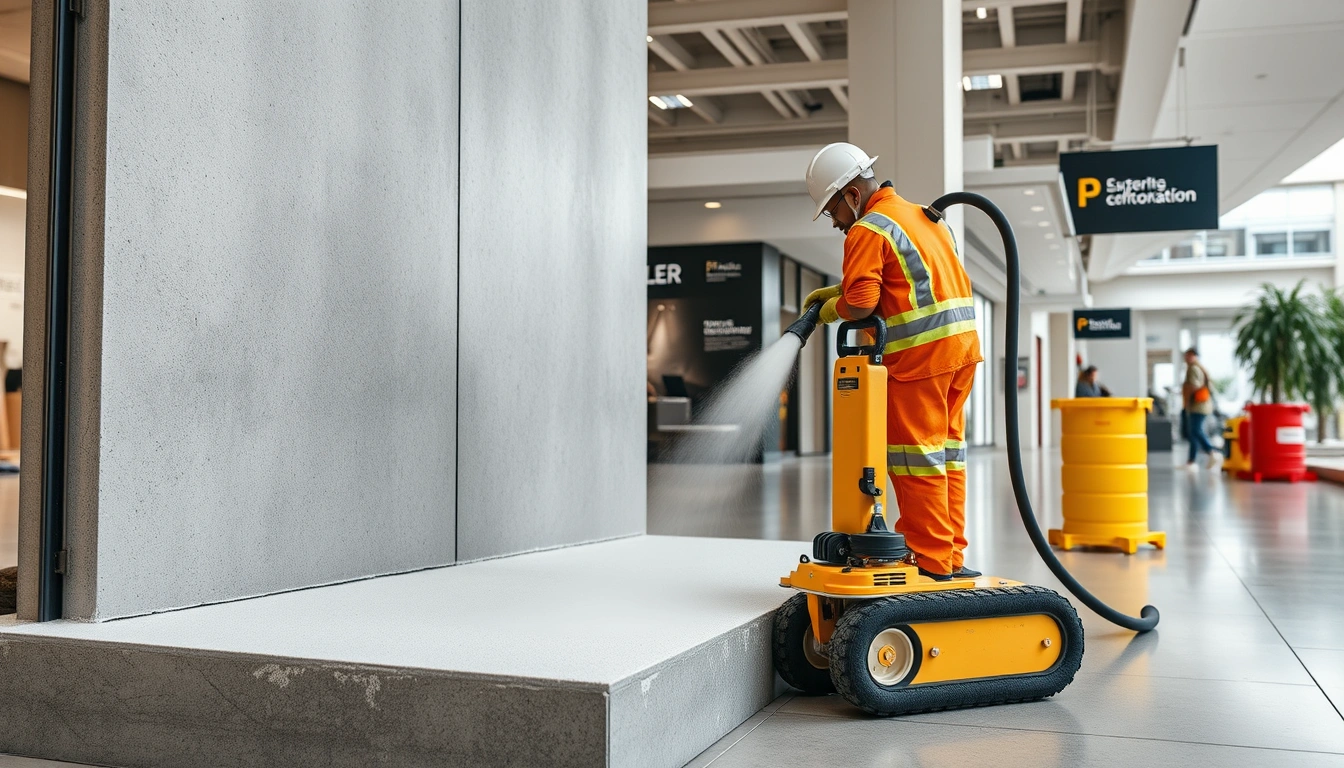
A proper commercial foam lifting job at a retail plaza follows six precise steps. Each step helps the concrete rise evenly and stay stable over time. If one step is skipped, the repair may settle unevenly later.
- Assess the area: Walk the site and identify all sunken slabs. Measure how far each slab has dropped from the required level.
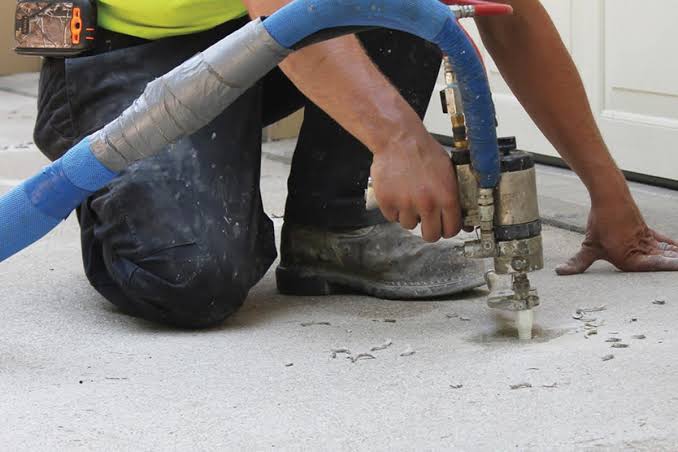
- Drill injection ports: Use a small drill to create holes for foam injection. Space the holes evenly for consistent lift.
- Prepare the foam: Mix the polyurethane foam to the correct density. Balance lift speed against final weight.
- Inject the foam: Pump the foam through the ports slowly. Watch the slab rise in real time and stop when it reaches level.
- Seal injection ports: Fill each port with color-matched material. This keeps the repair nearly invisible.
- Final inspection: Check the slope against ADA requirements. Confirm there is no remaining unevenness.
💡 Pro Tip: Always test foam consistency before injection. Inconsistent foam can over-expand and create new uneven spots.
Before vs. after: what good foam lifting looks like
Good commercial foam lifting for retail plaza concrete repair produces level, safe surfaces with nearly invisible patches. Before the repair, you may see visible gaps between slabs and uneven walking surfaces. These gaps create trip hazards and can lead to liability claims.
After the repair, the concrete should sit flush and level. The sealed injection ports should blend into the surrounding surface. A successful job keeps patch visibility under 0.5 inches. This standard preserves the look of the plaza while removing safety risks.
📊 Did You Know: Properly sealed injection ports significantly reduce potential slip-and-fall liability risks.
How do I fix uneven concrete without violating ADA requirements?
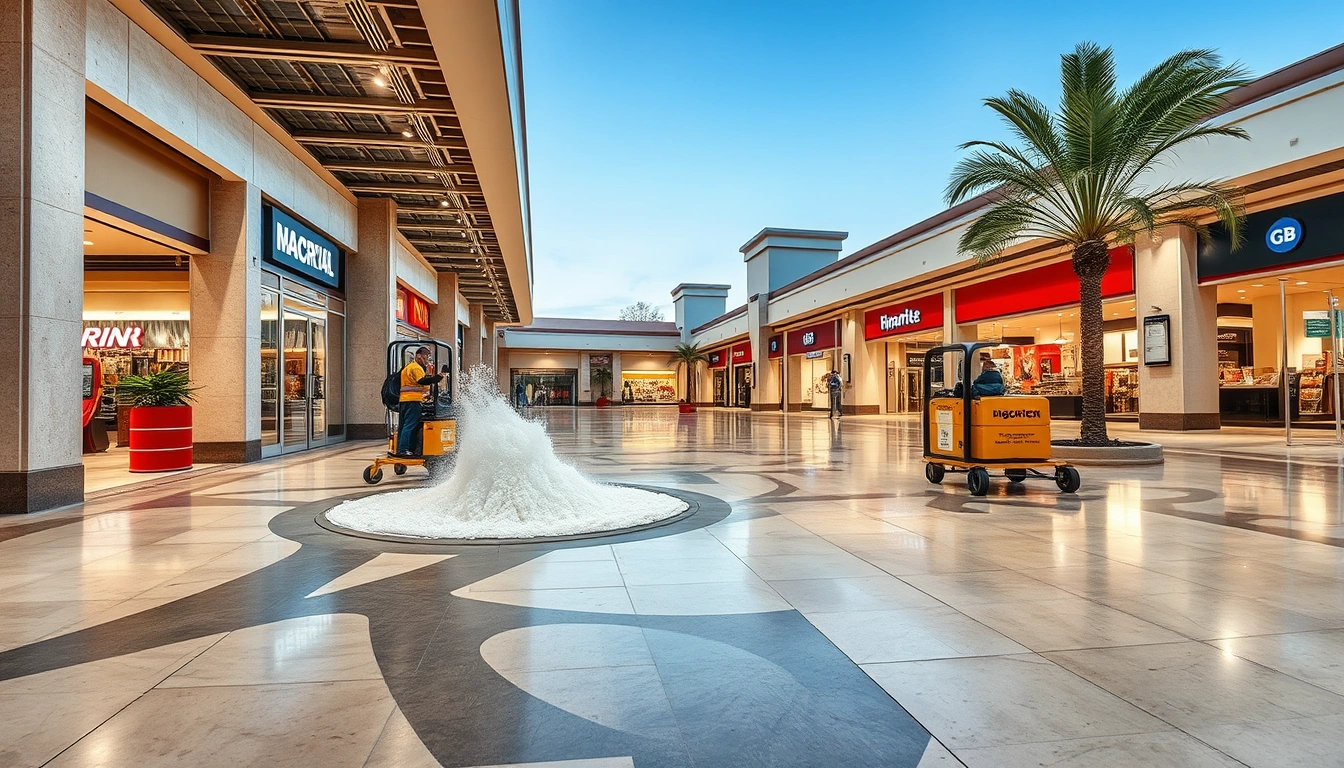
You fix uneven concrete without violating ADA requirements by keeping every transition at a maximum slope of 1:12. Foam lifting gives you the precision to hit this target on every slab. That level of control is hard to match with mudjacking or manual patching.
For commercial entrance ADA repair, always verify the final slope with a reliable measuring tool. A failed ADA inspection can result in fines and increased liability for slip-and-fall incidents. Commercial foam lifting for retail plaza concrete repair avoids both problems when done correctly.
Can foam lifting be done without closing the plaza?
Yes, commercial foam lifting can be completed without closing the retail plaza. The entire process takes just 2-4 hours, so tenants can usually stay open during repairs. In many cases, crews can redirect foot traffic around the work zone to keep the property accessible.
Scheduling repairs outside peak hours reduces disruption even further. Most retail plaza owners choose early morning or late evening slots. This flexibility gives foam lifting a major edge over traditional methods, which often require multi-day closures.
⚠️ Avoid This Mistake: Never schedule repairs during peak business hours unless absolutely necessary.
Retail plaza foam lifting: cost vs. alternatives
Foam lifting costs $10–$15 per linear foot. That makes it more affordable than full slab replacement, which runs $25–$50 per foot. It also avoids the week-long disruption that comes with tearing out and pouring new concrete.
Compared to mudjacking, commercial foam lifting for retail plaza concrete repair offers a quicker turnaround and fewer return visits. Mudjacking may cost less upfront at $7–$10 per foot, but its heavier material can cause future settling. Foam lifting saves money over time by preventing repeat repairs.
| Method | Cost per linear foot | Duration | Disruption level |
|---|---|---|---|
| Foam lifting | $10–$15 | 2-4 hours | Low |
| Mudjacking | $7–$10 | 1-3 days | Moderate |
| Slab replacement | $25–$50 | 1 week | High |
The detail everyone gets wrong in foam lifting
The most common mistake in commercial foam lifting is using the wrong foam density or spacing injection ports poorly. Wrong density leads to uneven lifts. Poor spacing creates hidden voids beneath the slab that cause future settling.
Always follow the manufacturer’s guidelines for mixing and injecting the foam. Monitor the lift process from start to finish. Uniform foam distribution across the slab is the single biggest factor in a lasting repair.
⚠️ Avoid This Mistake: Failing to seal injection ports properly can let water seep under the slab.
Key takeaways
- Commercial foam lifting for retail plaza concrete repair is fast, minimally disruptive, and ADA-compliant.
- Typical project duration is 2-4 hours, which keeps tenant disruption to a minimum.
- Proper execution ensures near-invisible repairs with low liability risks.
- Cost ranges from $10–$15 per linear foot, offering long-term savings over slab replacement.
Common questions about commercial foam lifting for retail plaza concrete repair
Can foam lifting fix sunken concrete at a retail plaza without closing the property?
Yes, foam lifting can often be completed in 2-4 hours with minimal disruption, allowing businesses to remain open during repairs.
How long does it take to foam lift a retail plaza entrance and parking area?
Foam lifting typically takes 2-4 hours for a retail plaza entrance and parking area, depending on the size and severity of the settling.
Does retail plaza foam lifting fix ADA compliance issues at building entrances?
Yes, foam lifting can precisely adjust concrete levels to meet ADA compliance standards, ensuring safe and accessible building entrances.
How noticeable are injection port patches at a retail plaza after foam lifting?
Injection port patches are typically less than 0.5 inches in visibility when sealed correctly, blending well with the existing concrete surface.
How much does foam lifting cost for a retail strip mall parking lot and sidewalk?
The cost for foam lifting a retail strip mall parking lot and sidewalk averages between $10 and $15 per linear foot, depending on the area and condition.
The bottom line
For retail plaza owners and managers, commercial foam lifting for retail plaza concrete repair offers an efficient, cost-effective way to fix sunken slabs. It meets ADA standards, minimizes tenant downtime, and costs far less than full replacement. Start by assessing your concrete’s current condition and consulting a foam lifting professional.
From there, compare methods using the Commercial Foam Lifting vs Mudjacking vs Slab Replacement: The Complete Decision Guide. Then contact a foam lifting contractor this week to schedule a site evaluation and confirm the safest repair plan for your property.
See also: foam lifting vs mudjacking commercial property
See also: polyurethane foam density commercial lifting appli
See also: foam lifting vs mudjacking cost per square foot co
Related: industrial floor foam lifting
Related: Commercial Foam Lifting for Retail Plaza Concrete
See also: commercial foam lifting for retail plaza concrete
See also: commercial foam lifting
See also: commercial foam lifting process
Related Post
Foam Lifting vs Mudjacking Cost per Square Foot Commercial: 2026 Breakdown
Foam Lifting vs Mudjacking Cost per Square Foot Commercial Foam Lifting vs Mudjacking Cost per…