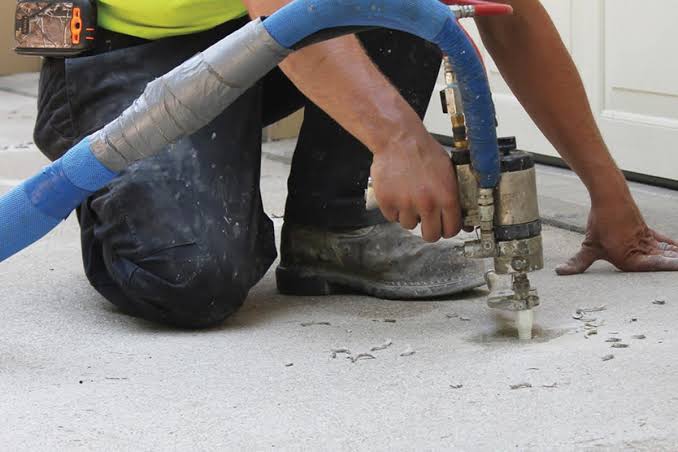
Commercial Foam Lifting for Industrial Facility Floors: A 2026 Guide
commercialfoamlift >> Commercial Foam Lifting vs Mudjacking vs>> Commercial Foam Lifting for Industrial Facility Floors: A 2026 Guide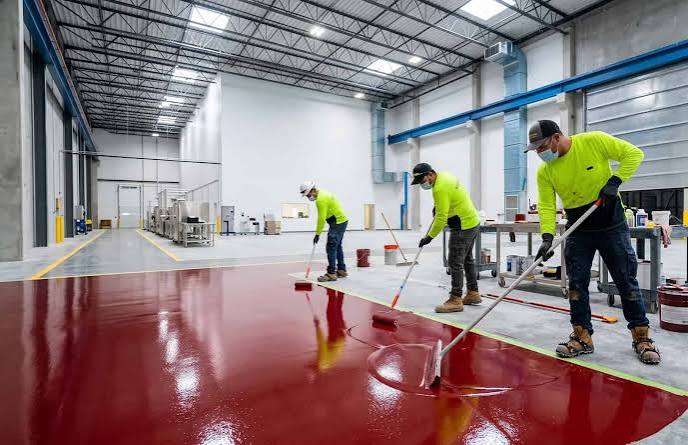
Commercial Foam Lifting for Industrial Facility Floors: A 2026 Guide
Commercial foam lifting for industrial facility floors: your 2026 guide
⏱️ 9 min read · Last updated: 2026
Quick Answer: Commercial foam lifting for industrial facility floors is a fast, cost-effective method for leveling uneven concrete slabs. It works best when you maintain at least 18 inches of clearance from machinery anchors. It is not recommended where vibration loads exceed 500 lb-ft/sq ft. Assess clearance and vibration first, then proceed with a qualified contractor.
Key Facts: Commercial Foam Lifting for Industrial Facility Floors (2026)
- Minimum clearance from machinery anchors for safe foam injection: 18 inches.
- ANSI MH16.1 maximum floor slope for racking systems: 1:240 ratio.
- Concrete anchor embedment depth at risk from foam pressure: 4 inches.
- Vibration load threshold that disqualifies foam lifting: 500 lb-ft/sq ft.
- Industrial floor flatness tolerance after a lift: F-number of 50.
Commercial foam lifting for industrial facility floors solves sunken slab problems fast. In one recent project, the work took just two hours and cost $700. By comparison, mudjacking for the same area would have cost $1,900. As a result, foam lifting is a strong fit for busy facilities that need speed and less downtime. Even so, the method has strict requirements. You still need proper clearance from machinery, a check on vibration loads, and an understanding of structural limits. With those factors in mind, the sections below explain what to confirm before you choose a repair plan.
Is foam lifting safe near machinery foundation anchors in an industrial facility?
Yes, commercial foam lifting for industrial facility floors is safe near machinery foundation anchors when you maintain a minimum clearance of 18 inches. That spacing helps prevent expanding foam from pressing against anchor systems. In industrial settings, proximity to equipment affects every part of the project, so planning comes first. In practice, areas with many foundation anchors need extra care and a clear injection map. Although foam injection is less invasive than many repair methods, it still creates pressure during the lift. Without enough clearance, that pressure can weaken anchor stability. Start by mapping every anchor point in the work zone. Then measure the distance from each anchor to the planned injection site. If any anchor falls within 18 inches, adjust the injection pattern or use a different method in that spot.
💡 Pro Tip: Always consult a structural engineer before commercial foam lifting near critical components. This ensures safety and code compliance.
Can foam injection level industrial floors without disturbing racking anchor bolts?
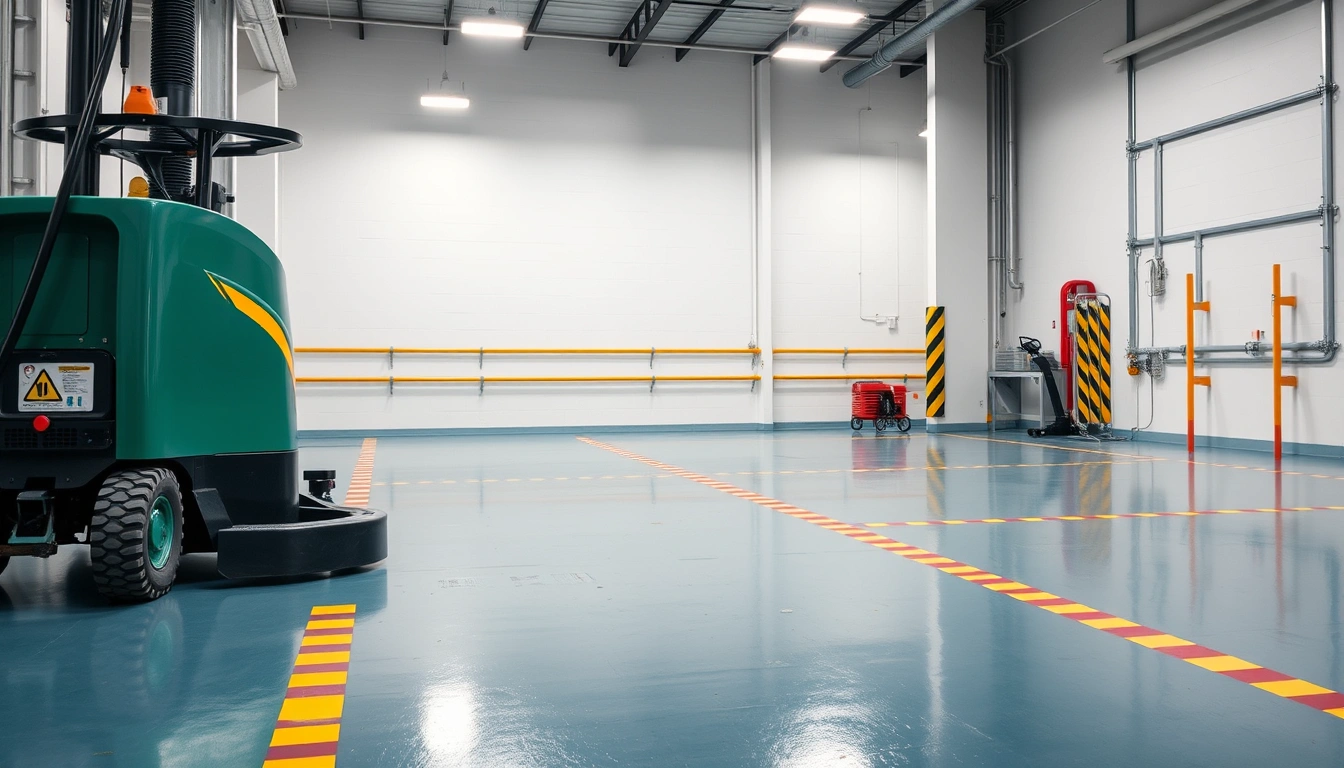
Yes, foam injection can level industrial floors without disturbing racking anchor bolts. The key is to follow the ANSI MH16.1 racking standard, which sets a maximum floor slope of 1:240 after the lift. Commercial foam lifting for industrial facility floors gives technicians precise control, so they can target low spots while leaving anchor bolts untouched. That precision matters most when racking systems must stay stable throughout the repair. I have seen projects where this approach kept heavy storage systems steady and in service. Before starting, verify the current slope with a digital level and document the baseline readings. After the lift, confirm that the slope stays within the 1:240 ratio. In turn, this helps protect both the racking system and the floor investment.
What structural risks should I know about before foam lifting an industrial floor near heavy equipment?
Two main risks affect commercial foam lifting for industrial facility floors near heavy equipment: pressure damage to shallow anchor embedments and vibration loads that exceed foam tolerance. Embedment depths under 4 inches face the highest risk from foam expansion pressure. In addition, heavy equipment can generate vibrations that cross the 500 lb-ft/sq ft threshold. Above that level, commercial foam lifting alone will not hold up well over time. A thorough vibration load assessment helps prevent expensive callbacks. From experience, I recommend testing vibration at multiple points across the floor during normal operations. Record the readings, then compare them with the threshold. If any area exceeds the limit, plan a hybrid approach for that zone.
⚠️ Avoid This Mistake: Skipping the vibration load assessment near heavy equipment can lead to foam failure. That failure creates costly repairs and potential safety hazards.
How does commercial foam lifting compare to mudjacking for industrial floors?
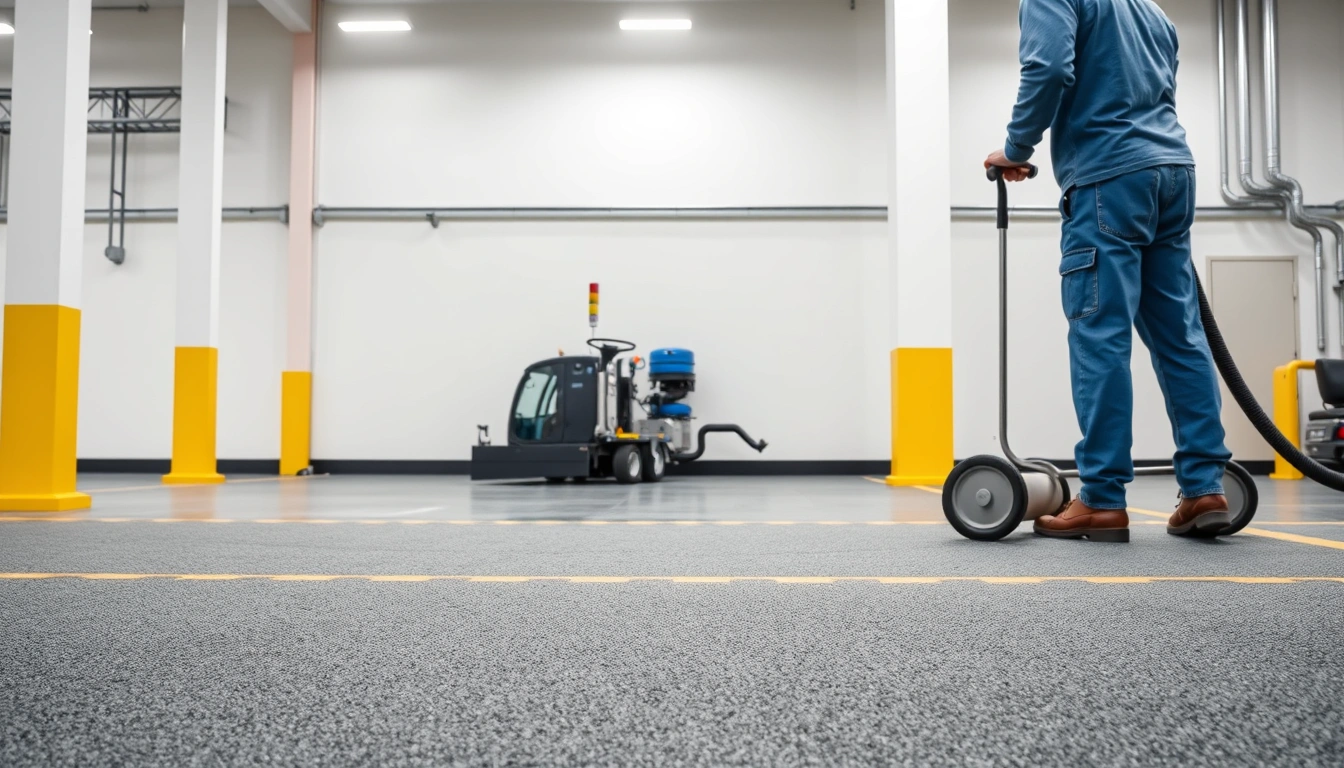
Commercial foam lifting finishes in 2 to 4 hours, while mudjacking typically takes 1 to 2 days. Foam lifting also gives better control, which can improve stability when site conditions are right. Here is a clear comparison:
| Criteria | Foam Lifting | Mudjacking | Winner for [Condition] |
|---|---|---|---|
| Speed of Process | 2-4 hours | 1-2 days | Foam Lifting |
| Cost Efficiency | Higher initial cost | Lower initial cost | Mudjacking |
| Long-term Stability | Excellent if conditions are met | Good | Foam Lifting |
| Machinery Proximity Safety | Requires clearance | Less sensitive | Mudjacking |
| Environmental Impact | Low | Moderate | Foam Lifting |
For commercial foam lifting on industrial facility floors, speed often matters most. Facilities that run all day and night cannot easily absorb a two-day shutdown. Even so, mudjacking can still make sense when machinery sits close to the repair zone and the budget is limited.
Our verdict: which one to choose and why
Choose commercial foam lifting for industrial facility floors when you need fast results and have minimal machinery interference. It also delivers strong long-term stability when clearance and vibration conditions are met. On the other hand, choose mudjacking if your top concern is initial cost and machinery sits close to the repair area. Neither option works well near high-vibration zones without extra support. In those cases, consider slab replacement or a hybrid approach.
When to reconsider this choice entirely
📊 Did You Know: Foam lifting can be compromised by high vibration loads, making it unsuitable for areas exceeding 500 lb-ft/sq ft.
Reconsider commercial foam lifting for industrial facility floors when vibration loads stay above 500 lb-ft/sq ft during normal operations. Also reconsider when machinery anchors sit less than 18 inches from the repair zone. In these situations, a hybrid approach or full slab replacement may offer more stability. These alternatives cost more and take longer, but they protect critical equipment from failure.
The bottom line
Commercial foam lifting for industrial facility floors offers a strong mix of speed, precision, and lower environmental impact. The method still demands careful site assessment. Check anchor clearances, measure vibration loads, and confirm slope tolerances after the lift. If the floor meets those conditions, foam lifting is often the fastest way to restore production with less downtime. Start by scheduling a professional site assessment. A qualified contractor will document your floor conditions and recommend the right approach. For deeper comparisons, explore the Commercial Foam Lifting vs Mudjacking vs Slab Replacement: The Complete Decision Guide.
Key Takeaways
- Commercial foam lifting for industrial facility floors works best with proper clearance and low vibration zones.
- Mudjacking costs less upfront but takes longer and has a higher environmental impact.
- Always assess vibration loads before choosing foam lifting for heavy equipment areas.
- Engage a structural engineer to verify compliance with ANSI standards.
Frequently asked questions about commercial foam lifting for industrial facility floors
Can foam lifting be used near machinery anchor bolts in an industrial facility?
Yes, commercial foam lifting for industrial facility floors works near machinery anchor bolts when you maintain at least 18 inches of clearance. This distance prevents pressure-related damage to the bolts and surrounding concrete.
Source: dataintelo.com
What are the risks of foam lifting an industrial floor under heavy racking systems?
The main risk is anchor bolt displacement if the lift exceeds ANSI MH16.1 standards. Keeping the post-lift slope within the 1:240 ratio protects racking stability. Measure before and after the lift to confirm compliance.
How do I level an industrial floor with settled slabs without disrupting production?
Commercial foam lifting for industrial facility floors takes just a few hours. When possible, schedule the work during off-peak shifts to reduce disruption. Most facilities return to full operation the same day.
When is foam lifting NOT recommended for industrial facility floors?
Do not use foam lifting where vibration loads exceed 500 lb-ft/sq ft or where machinery anchors sit less than 18 inches from the injection zone. Consider slab replacement or a hybrid repair in these cases.
How much does industrial facility foam lifting cost for a 20,000 square foot floor?
Commercial foam lifting for a 20,000 square foot industrial floor typically costs between $15,000 and $30,000. The final price depends on surface condition, depth of settlement, and specific site requirements.
See also: foam lifting vs mudjacking commercial property
See also: polyurethane foam density commercial lifting appli
See also: foam lifting vs mudjacking cost per square foot co
Related: Commercial Foam Lifting for Industrial Facility Fl
See also: commercial foam lifting for industrial facility fl
See also: commercial foam lifting
See also: commercial foam lifting process
Related Post
Polyurethane Foam Density Commercial Lifting: Get It Right
```html Polyurethane Foam Density for Commercial Lifting: Get It Right ⏱️ 8 min read ·…