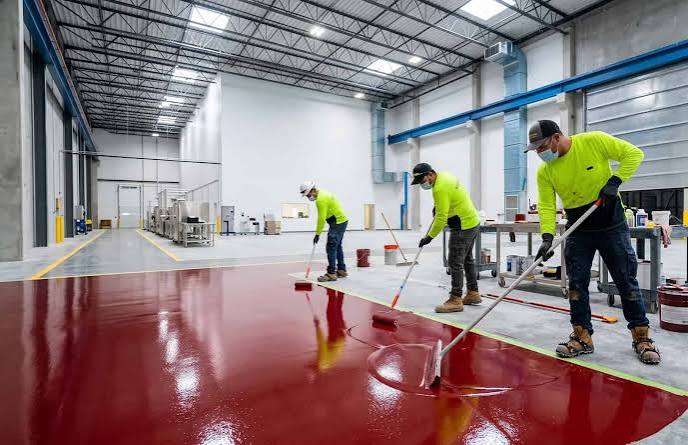
Polyurethane Foam Density Commercial Lifting: Get It Right
commercialfoamlift >> Commercial Foam Lifting vs Mudjacking vs>> Polyurethane Foam Density Commercial Lifting: Get It Right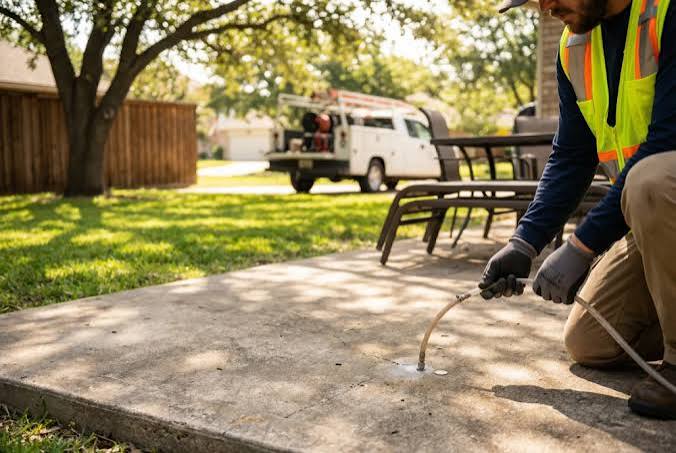
Polyurethane Foam Density Commercial Lifting: Get It Right
“`html
Polyurethane Foam Density for Commercial Lifting: Get It Right
⏱️ 8 min read · Last updated: 2026
Quick Answer: Polyurethane foam density for commercial lifting must be matched to the load and setting. Use 3-4 lb/ft³ for parking lots, 4 lb/ft³ for warehouse floors, and 6+ lb/ft³ for loading docks. Always ask for ASTM D1621 documentation before work starts to confirm durability and compliance.
Key Facts
- Parking lot lifting typically uses 3-4 lb/ft³ foam density.
- Warehouse floor lifting typically requires 4 lb/ft³ foam density.
- 4 lb/ft³ foam can withstand around 60 PSI.
- Loading docks often need 6+ lb/ft³ foam.
- Higher-density foams can cost 30-50% more than standard 4 lb/ft³ foam.
Polyurethane foam density for commercial lifting is one of the most important choices you can make for a durable repair. A local business owner learned this the hard way. They hired a cheaper contractor who used low-density foam on a warehouse floor. The slab began to sink again, leading to extra repair costs. That is why density matters so much in foam lifting vs mudjacking. It affects stability, compressive strength, and service life. When the foam matches the load, the repair lasts longer and performs better. When it does not, the repair fails early.
What density works best for commercial applications?
Once you understand why density is critical, the next step is to know which range applies to your project. For commercial applications, foam density is the key variable. Parking lots typically need 3-4 lb/ft³ foam. Warehouses usually need at least 4 lb/ft³. Loading docks often need 6+ lb/ft³. These ranges line up with the compressive strength each area needs.
As the load increases, the foam density should increase too. Lower-density foam may work in lighter settings. However, it will not hold up in heavy-duty areas. This is especially true when traffic is frequent or equipment is heavy.
💡 Pro Tip: Always verify foam density specifications with ASTM D1621 to ensure compliance and longevity.
A quick rule helps: use 3-4 lb/ft³ for light to medium loads. For heavy loads, choose 6 lb/ft³ or higher.
How can you ensure your contractor uses the right foam?
Knowing the correct polyurethane foam density for commercial lifting is only half the battle. You also need to confirm the contractor uses the specified material. Start by matching the foam to the project requirements we just discussed. Then ask for documentation that shows the product specifications and ASTM D1621 compliance.
That paperwork is crucial. It confirms the foam density and compressive strength fit the job.
| Situation | Best Path | Why Other Options Fail |
|---|---|---|
| Parking Lot | 3-4 lb/ft³ Foam | Lower density foam lacks durability; higher is overkill |
| Warehouse Floor | 4 lb/ft³ Foam | Too low compressive strength leads to sagging |
| Loading Dock | 6+ lb/ft³ Foam | Lighter foam cannot handle heavy loads |
Before work begins, make sure the contractor can show this ASTM D1621 compliance documentation.
Understanding the difference between 2 lb and 4 lb polyurethane foam
With verification in mind, let’s look at a common comparison. The difference between 2 lb and 4 lb polyurethane foam comes down to use. Two-pound foam is usually used for residential void fill. Four-pound foam is better for commercial lifting. It offers higher compressive strength and better durability.
4 lb/ft³ foam can withstand around 60 PSI, making it ideal for commercial applications.
That added strength matters when a slab must support repeated traffic or heavy equipment. For that reason, 4 lb foam is often the more reliable choice for commercial projects.
When you compare the options, the load and the expected life of the repair should guide your choice.
Common mistakes in polyurethane foam density selection and how to avoid them
Understanding the options helps you avoid pitfalls. Choosing the wrong foam density is a common mistake. A better approach is to assess the load, verify the product against ASTM D1621, and choose a density that fits the site. It also helps to think about long-term wear before the work starts.
- Assess the specific load and environment of your application.
- Verify the foam’s specifications against ASTM D1621.
- Consider the long-term effects of using the wrong foam density.
- Choose higher-density foam when the job involves heavy-duty use.
⚠️ Avoid This Mistake: Using low-density foam for heavy loads can lead to costly rework.
In short, verify the foam’s compressive strength and make sure it matches the job.
When does standard advice fall short?
Even with this knowledge, standard advice works for most jobs, but not all. Some projects face freeze-thaw cycles or unusual load patterns. These situations need a different approach.
In those cases, higher-density foam can perform better and last longer. It can also improve service life in cold climates. Repeated expansion and contraction are common in these areas.
📊 Did You Know: High-density foam can better withstand freeze-thaw cycles, offering longer service life in cold climates.
Before you finalize the material, evaluate the environment and any unusual load patterns.
The bottom line
Selecting the right polyurethane foam density for commercial lifting is crucial. Match the foam to the load, the environment, and the expected wear so the repair lasts.
Do not hesitate to request documentation and compliance checks from your contractor. If you want a broader comparison, see Commercial Foam Lifting vs Mudjacking vs Slab Replacement: The Complete Decision Guide.
Key Takeaways
- Use 4 lb/ft³ foam for warehouse floors, 6+ lb for heavy-duty needs.
- Verify contractor’s foam choice with ASTM D1621 compliance.
- High-density foams offer better longevity in extreme climates.
Common questions about polyurethane foam density for commercial lifting applications
What density polyurethane foam is used for commercial concrete lifting?
Typically, commercial concrete lifting uses 4 lb/ft³ foam for general applications, while 6+ lb/ft³ is recommended for heavy loads like in loading docks.
How do I verify that my contractor is using the correct foam density for my project?
Request to see the foam’s specifications and ensure they align with ASTM D1621 standards. Confirm the foam’s compressive strength matches your application’s needs.
What is the difference between void-fill foam and structural lifting foam?
Void-fill foam is lighter, typically 2 lb/ft³, used for filling gaps without structural load support. Structural lifting foam, like 4 lb/ft³, is designed to support loads and stabilize structures.
Why does foam density matter for the longevity of commercial foam lifting?
Foam density impacts compressive strength and durability. Higher density foams provide better structural support and resistance to environmental factors, enhancing longevity.
How much does higher-density foam cost compared to standard grade for commercial lifting?
Higher-density foams, like 6 lb/ft³, can cost 30-50% more than standard 4 lb/ft³ foam due to enhanced material properties and application benefits.
See also: foam lifting vs mudjacking commercial property
See also: foam lifting vs mudjacking cost per square foot co
See also: mudjacking vs foam lifting commercial parking lot
Related: commercial foam lifting for retail plaza concrete repair
Related: commercial foam lifting for industrial facility floors
Related: commercial foam lifting process
“`
See also: polyurethane foam density commercial lifting appli
See also: commercial foam lifting
See also: commercial foam lifting process
Related Post
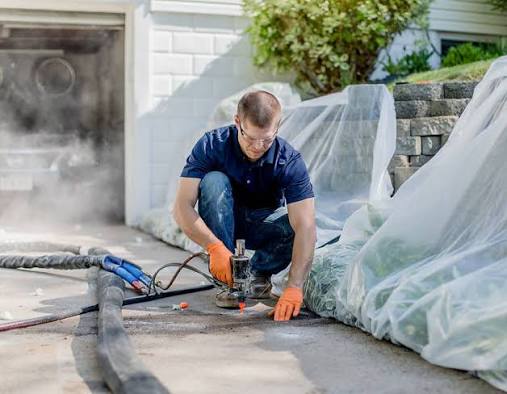
Commercial Foam Lifting for Retail Plaza Concrete Repair: Fast, Precise, ADA-Compliant Solutions
Commercial Foam Lifting for Retail Plaza Concrete Repair ⏱️ 8 min read · Last updated:…