Mudjacking vs Foam Lifting for Commercial Parking Lots: Costs & Longevity
commercialfoamlift >> Commercial Foam Lifting vs Mudjacking vs>> Mudjacking vs Foam Lifting for Commercial Parking Lots: Costs & Longevity
Mudjacking vs Foam Lifting for Commercial Parking Lots: Costs & Longevity
Foam lifting vs mudjacking for commercial parking lots: costs, cure time, and durability
⏱️ 8 min read · Last updated: 2026
Quick Answer: For commercial parking lots, foam lifting usually beats mudjacking because it cures in 1–2 hours, weighs far less, and stands up longer under heavy traffic. Mudjacking costs less at the start, sure, but foam lifting often cuts downtime and future repair work; over time, that can make it the smarter pick.
Key Facts
- Mudjacking costs $3–$6 per sq ft, while foam lifting costs $5–$12 per sq ft.
- Mudjacking cure time is 24–72 hours, compared with 1–2 hours for foam lifting.
- Mudjacking slurry weighs 100 lbs/cubic foot, while foam weighs 2–4 lbs/cubic foot.
- Mudjacking may need re-lifting every 3–5 years, while foam lifting can last 7–10 years.
When a commercial parking lot starts to sink, the best fix usually depends on more than the repair bill alone. In most cases, foam lifting wins on speed and durability, while mudjacking can still make sense for lighter-use lots with tighter budgets.
A recent side-by-side look at mudjacking and foam lifting for a commercial parking lot showed a blunt tradeoff: one quote came in at $2,500 for mudjacking, while another landed at $4,000 for foam lifting. The foam option cost more, but it was ready for heavy trucks by the end of the day. Nice and simple.
That gap matters for businesses that can’t sit idle. Usually, the real question isn’t just price; it’s how much shutdown time, staying power, and soil stress each method brings.
As you compare the two, it helps to look at cost, cure time, load support, and long-term upkeep together. I’ve watched mudjacking give out under commercial use where foam lifting held firm, so the wrong choice can quickly turn a small repair into a repeating expense.
What is the real difference between mudjacking and foam lifting?
Mudjacking relies on a heavy cementitious grout to raise and steady the slab. Foam lifting uses lightweight polyurethane foam, which expands under the concrete and sets fast.
The big split is how they behave on commercial sites. Foam lifting cures in 1–2 hours, while mudjacking usually needs 24–72 hours. That quicker turnaround gets businesses back open sooner.
Foam also adds far less weight to the soil. Because the material is so light, it eases pressure beneath the slab and lowers the chance of later settlement in many parking lots. From there, the choice becomes easier to narrow down.
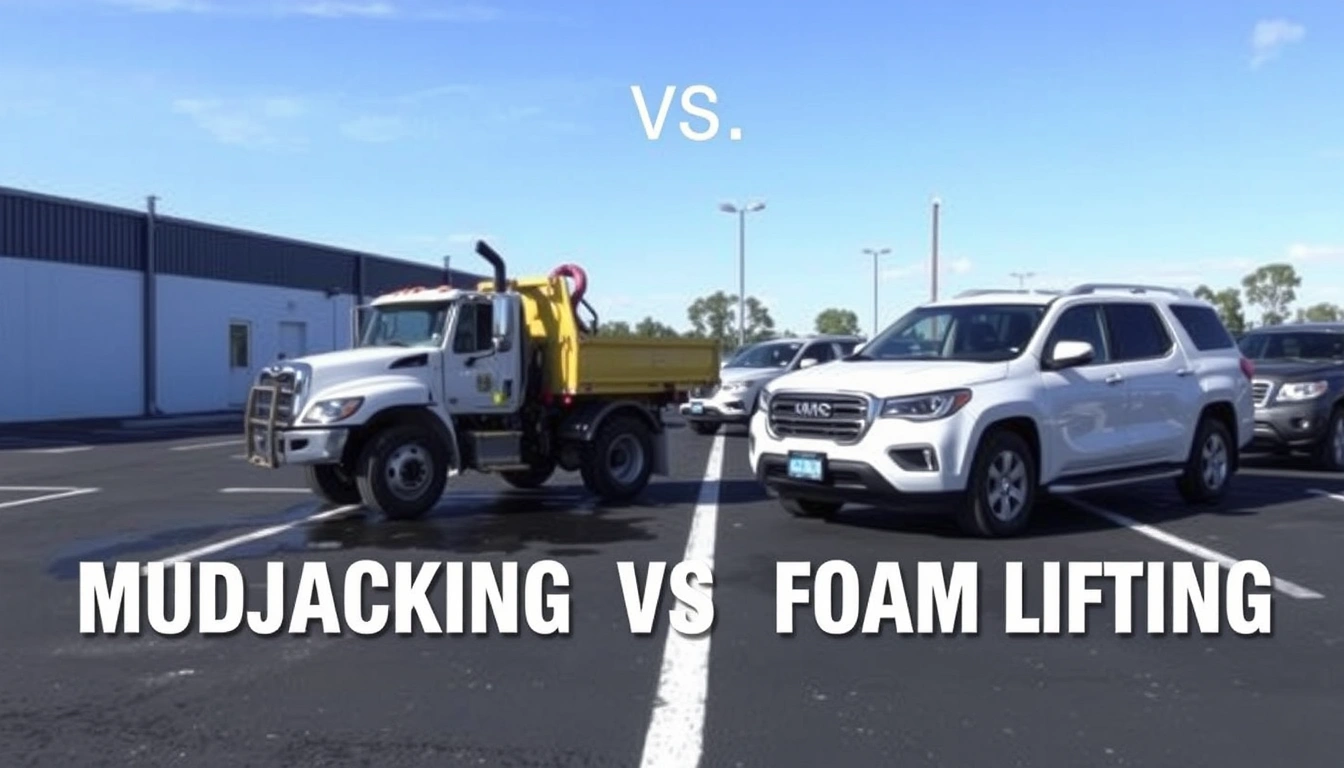
Mudjacking for commercial parking lots: pros, cons, and who should use it
Mudjacking is a budget-friendly fix for smaller repairs and lots with light traffic. It makes sense when cost matters more than speed.
It uses cementitious grout to stabilize sunken slabs, but that same mix adds a lot of weight to the soil. In commercial settings, that can trigger more settling later. That’s the catch.
Pick mudjacking if the lot mostly serves light vehicles and the repair budget is tight. Just expect longer downtime and a higher chance of future maintenance. In that context, its lower upfront price can still be the deciding factor.
⚠️ Avoid This Mistake: Don’t underestimate the weight of mudjacking slurry; it can exacerbate soil stress and lead to more settling.
Why does foam lifting win in some commercial parking lots?
Foam lifting works best in large commercial lots with heavy, nonstop traffic. It cures quickly, limits disruption, and keeps daily operations moving with fewer interruptions.
The polyurethane foam injection process is far lighter than mudjacking. That helps reduce soil pressure and makes the lift hold up better through freeze-thaw cycles.
Go with foam lifting when fast reopening and long-term durability matter. For businesses that can’t afford repeat repairs or drawn-out closures, it often pulls ahead. That advantage becomes even clearer as traffic levels increase.
📊 Did You Know: Foam lifting can last up to 10 years without needing a re-lift, making it ideal for long-term solutions.
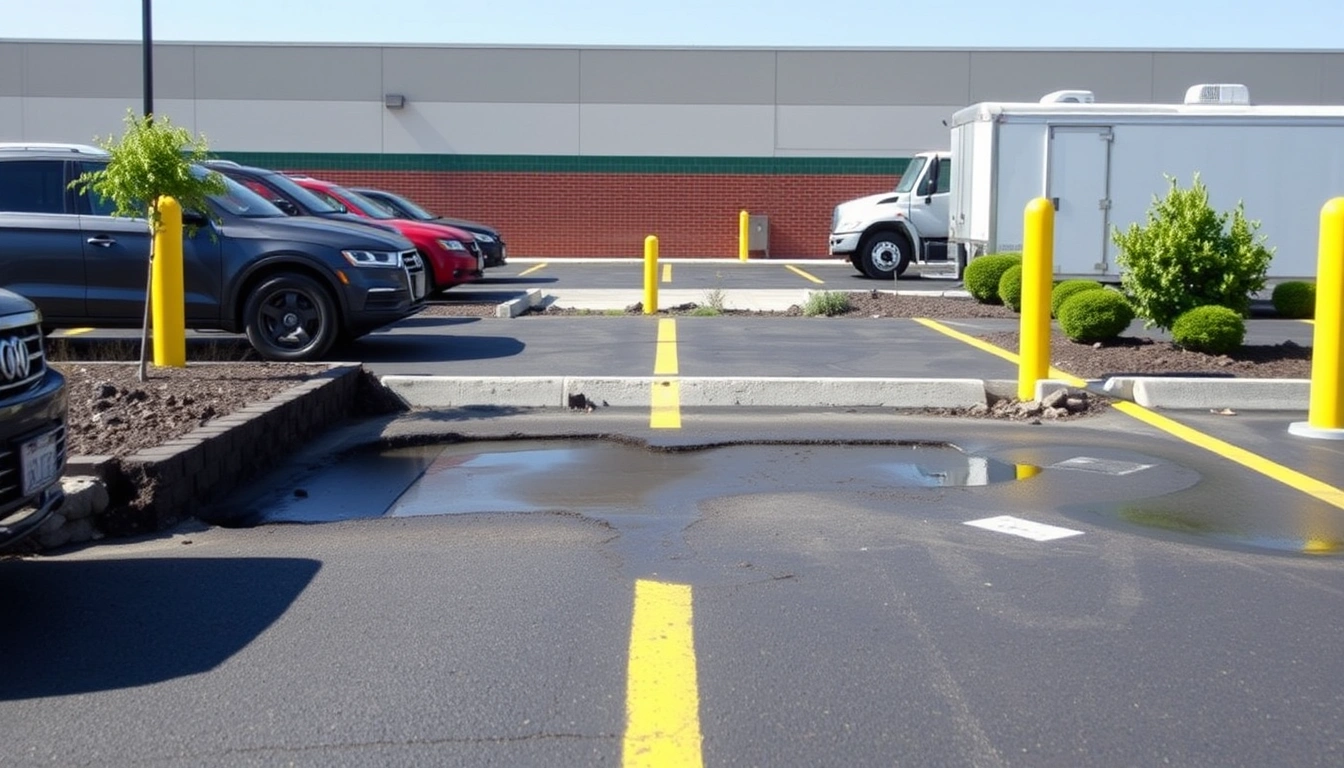
The honest side-by-side comparison
This comparison shows where each method fits best in a commercial parking lot. Mudjacking wins on upfront cost, while foam lifting wins on speed, durability, and less disruption to operations.
The table below breaks down the main differences so you can scan the numbers fast. With that in mind, the broader pattern becomes easy to spot.
| Criteria | Mudjacking | Foam Lifting | Winner for Commercial |
|---|---|---|---|
| Cost per sq ft | $3–$6 | $5–$12 | Mudjacking |
| Cure Time | 24–72 hours | 1–2 hours | Foam Lifting |
| Durability | 3–5 years | 7–10 years | Foam Lifting |
| Weight Impact | Heavy | Light | Foam Lifting |
| Freeze-Thaw Resistance | Moderate | High | Foam Lifting |
| Operational Disruption | High | Low | Foam Lifting |
How do you choose the right method for a commercial parking lot?
Choose foam lifting if you need very little downtime, stronger long-term performance, and better resistance to heavy use. Choose mudjacking if the budget is tight and the lot handles lighter traffic.
Neither method is a great fit when the soil is unstable or badly compromised. In that case, the root problem may need another fix before either lift method will last, so it pays to inspect drainage and base conditions first.
If you need a budget estimate, use a commercial foam lifting cost estimate calculator to plan the project more accurately.
When should you reconsider both options?
Some parking lots need a different answer altogether. If the soil is severely unstable, full slab replacement may make more sense than either lifting method.
You should also rethink the choice if the main goal is a visual refresh. In that case, resurfacing may improve appearance faster than structural lifting alone.
Drainage matters too. If the underlying drainage grade is compromised, fix that first so the same damage doesn’t come right back. Once the site is stable, then you can decide whether lifting still makes sense.
Key Takeaways
- Foam lifting offers faster cure times and longer durability but costs more.
- Mudjacking is cost-effective but can add unwanted weight to the soil.
- Consider foam for heavy vehicle traffic and quick turnaround.
- Use mudjacking where budget constraints outweigh the need for speed.
Common questions about mudjacking vs foam lifting for commercial parking lots
What is the difference between mudjacking and foam lifting for a commercial parking lot?
Mudjacking uses a heavy cementitious grout, while foam lifting uses lightweight polyurethane foam. Foam cures faster, lasts longer, and works better for heavy commercial use.
How do I choose between mudjacking and foam injection for my parking lot?
Think about traffic volume, how much downtime you can tolerate, and your budget. Foam is best for busy lots that need a fast turnaround. If cost matters more and traffic is light, mudjacking may be enough.
Which lasts longer in a commercial parking lot, mudjacking or foam lifting?
Foam lifting typically lasts 7–10 years, while mudjacking may need re-doing every 3–5 years, especially under heavy traffic conditions.
Why is foam lifting more expensive than mudjacking for a commercial parking lot?
Foam lifting uses advanced materials and equipment. It also delivers quicker cure times and longer-lasting results, which helps justify the higher cost per square foot.
Can mudjacking handle heavy truck traffic in a commercial parking lot?
Mudjacking can handle moderate traffic, but it may struggle with heavy truck loads over time. That can lead to more frequent repairs.
The bottom line
For a commercial parking lot, the right choice comes down to whether you care more about lower upfront cost or better long-term performance. Foam lifting is stronger on speed, durability, and heavy-use conditions, while mudjacking fits lighter traffic and tighter budgets.
Check the lot’s traffic, soil conditions, and downtime limits before making a final call. If you want a wider comparison, explore more in the Commercial Foam Lifting vs Mudjacking vs Slab Replacement: The Complete Decision Guide.
Start by requesting a consultation from a local expert to evaluate your parking lot needs today.
See also: foam lifting vs mudjacking commercial property
See also: commercial foam lifting
See also: commercial foam lifting
Related: foam lifting vs mudjacking cost per square foot commercial
Related: polyurethane foam density commercial
Related: retail plaza concrete leveling
See also: mudjacking vs foam lifting commercial parking lot
See also: foam lifting vs mudjacking commercial property
See also: commercial foam lifting [city]
Related Post
Commercial Foam Lifting for Retail Plaza Concrete Repair: Fast, Precise, ADA-Compliant Solutions
Commercial Foam Lifting for Retail Plaza Concrete Repair ⏱️ 8 min read · Last updated:…