Commercial Foam Lifting Process: Step-by-Step Guide for 2026
commercialfoamlift >> Commercial Foam Lift>> Commercial Foam Lifting Process: Step-by-Step Guide for 2026
Commercial Foam Lifting Process: Step-by-Step Guide for 2026
Commercial Foam Lifting Process Explained: 2026 Guide
⏱️ 15 min read · Last updated: 2026
Quick Answer: The commercial foam lifting process uses polyurethane foam injected through small ports to lift and stabilize sunken concrete slabs. It’s precise, quick, and typically costs 50-70% less than full slab replacement. Most projects are traffic-ready within 15 minutes post-cure, making it ideal for busy commercial environments.
Key Facts: commercial foam lifting process (2026)
- Injection port drilling diameter: 5/8-inch
- Foam expands within 10–15 seconds after injection
- Lifted surfaces ready for traffic 15 minutes post-cure
- Injection port grid spacing: 4-6 feet for commercial slabs
- Laser level monitoring precision: 1/8-inch
Sunken concrete does not have to mean a full replacement. The commercial foam lifting process raises slabs with precision and saves time, money, and disruption. A neighbor once compared bids and got mudjacking quoted at $1,900 versus foam lifting at $700, with the job wrapped in two hours. That kind of gap gets attention. For commercial properties in 2026, the commercial foam lifting process is often the smart choice because it combines speed, accuracy, and cost control. It also works best when crews understand foam expansion rates and use the right monitoring gear.
Source: dataintelo.com
What Exactly Happens During a Commercial Foam Lifting Job?
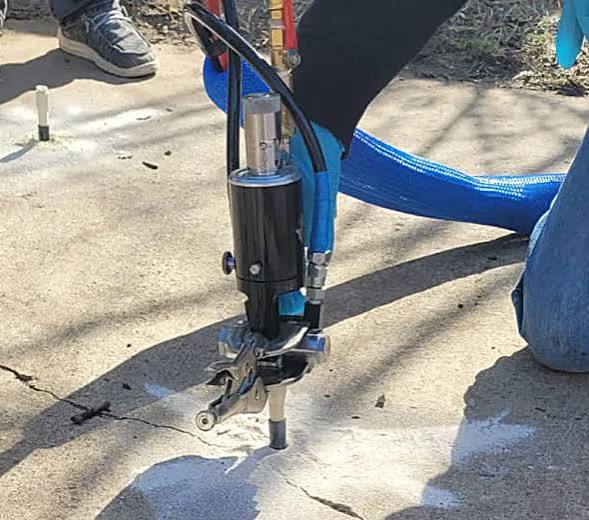
To begin, crews assess the site and confirm where the slab has settled. Then they drill 5/8-inch holes in a grid, usually spaced 4-6 feet apart, across the affected area. After that, the commercial foam lifting process starts as polyurethane foam is injected through the ports. Even distribution matters here, because uneven injection can cause the slab to lift unevenly.
Next, a two-component polyurethane mixing rig prepares the material, and the foam enters the slab through the ports. Within 10–15 seconds, it expands and begins lifting the concrete. At the same time, laser level monitoring keeps the rise accurate to 1/8-inch, so the slab does not move too far. This control is one of the biggest advantages of the commercial foam lifting process.
Polyurethane foam expands within 10–15 seconds of injection, offering precise control over lifting, avoiding over-elevation.
Once the slab reaches the target height, crews patch the injection ports with durable material. After curing, the site is usually traffic-ready in 15 minutes, which is much quicker than older repair methods. That is why the commercial foam lifting process is so useful for busy commercial properties.
Quick check: If the space has to stay usable and downtime has to stay tiny, foam lifting usually wins.
How Long Does a Commercial Foam Lifting Project Take?
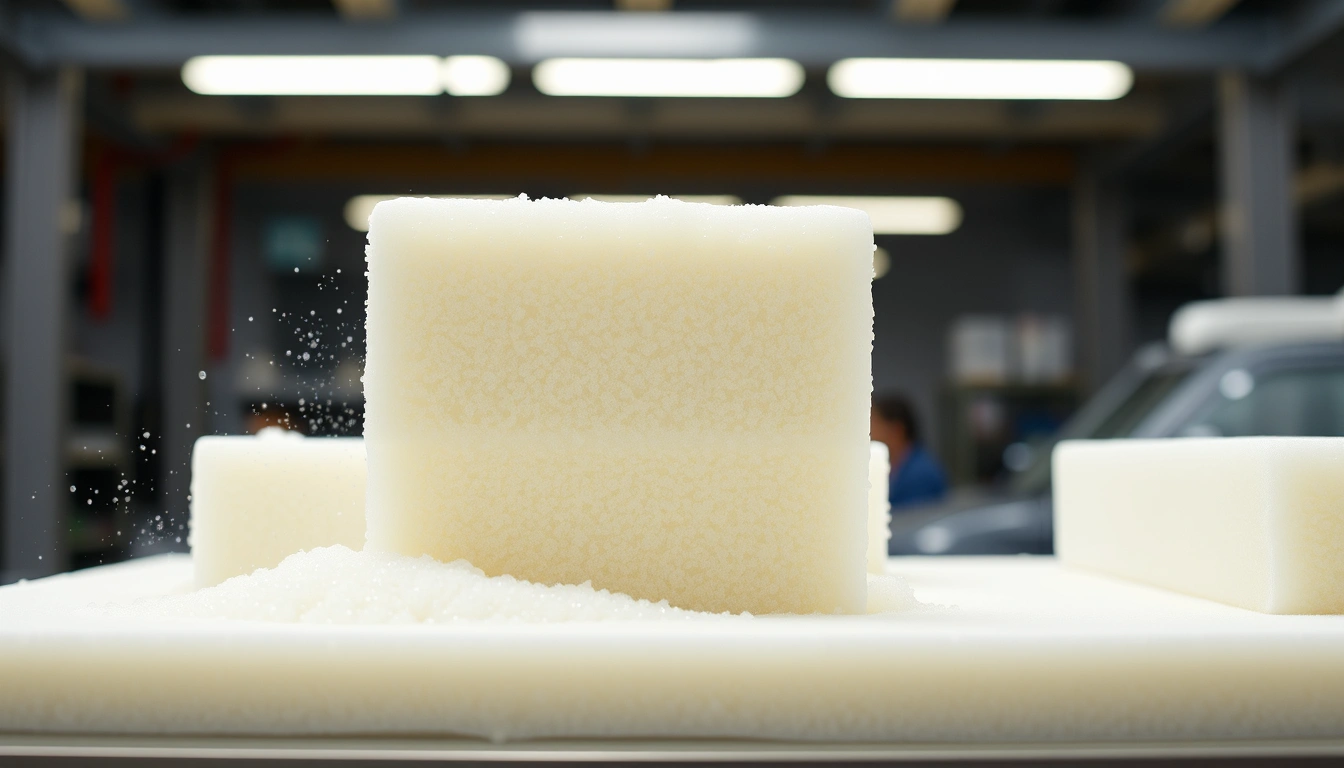
In most cases, the commercial foam lifting process takes only a few hours, not days. Most commercial foam lifting projects take two to four hours, though slab size and complexity can stretch that window.
For example, a standard parking lot may only take a morning, while larger warehouse floors can take a full day. Foam expansion time and the level checks handled by slab lift monitoring equipment are the main variables. Because polyurethane foam cures fast, surfaces are ready for traffic just 15 minutes after completion. That short turnaround is a major reason many businesses choose the commercial foam lifting process.
Quick check: If business interruption has to stay low, foam lifting’s speed is hard to beat.
What Equipment Does a Commercial Foam Lifting Crew Bring to the Job Site?
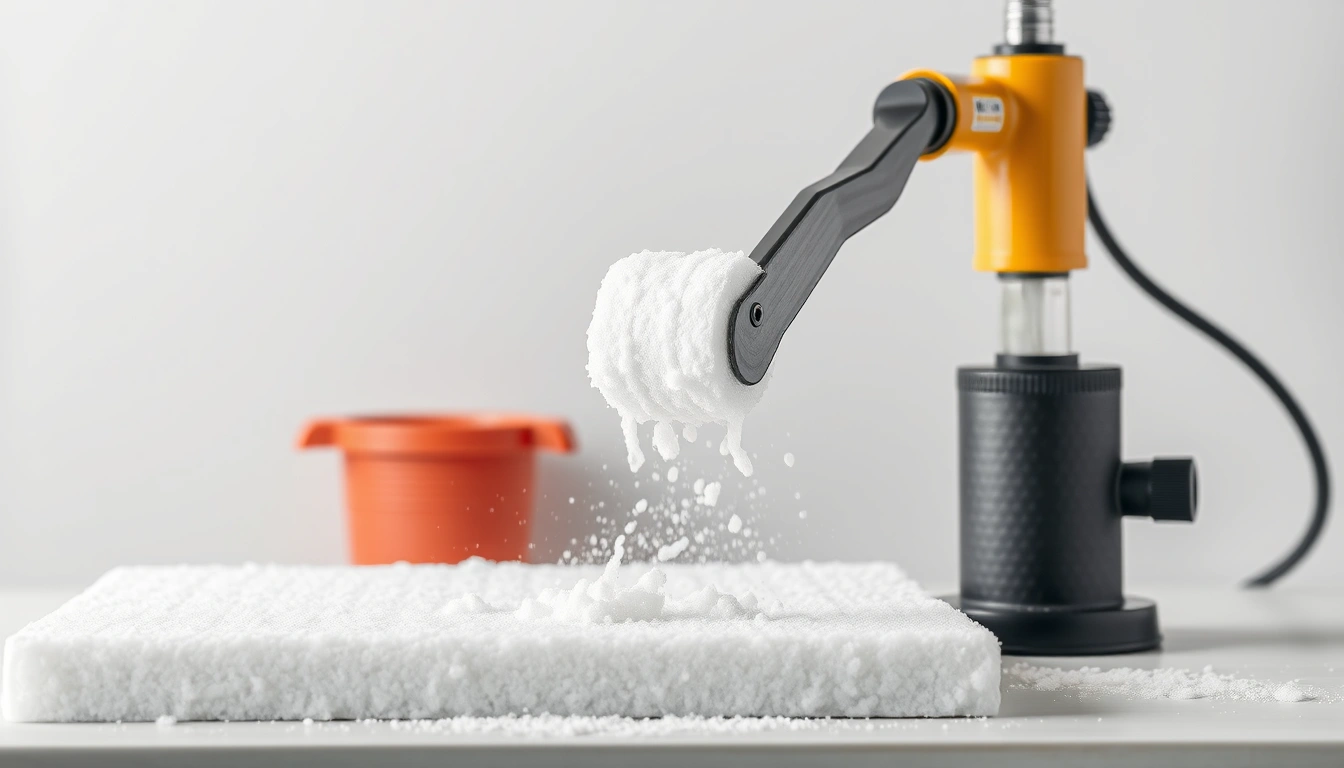
A commercial foam lifting crew brings a two-component polyurethane mixing rig, laser level monitoring equipment, and tools for injection port drilling to the job site. The mixing rig matters because it sets the foam’s expansion and strength, which directly affects the result.
Crews use slab lift monitoring equipment to track the rise with care. Laser level monitoring keeps the slab at a consistent elevation, which helps prevent later problems. After the lift, port patching material seals the injection points for durability and appearance. Good gear keeps the work safe and on target, and it helps the commercial foam lifting process stay precise from start to finish.
Quick check: If precision and reliability are non-negotiable, make sure the contractor shows up with modern, well-kept equipment.
Choosing the Right Path for Your Project
After you understand the equipment and timing, the next step is choosing the right repair method. Start with traffic and downtime. Foam lifting works well in high-traffic areas because setup and cure times are short. For remote, low-traffic spots, traditional mudjacking may be enough — and cheaper.
| Situation | Best Path | Why Other Options Fail |
|---|---|---|
| High traffic commercial zone | Foam lifting | Quick cure time minimizes disruption |
| Remote, low-traffic area | Mudjacking | Longer cure time acceptable |
Quick check: Compare traffic flow and downtime tolerance before choosing foam lifting or an alternative.
When the Standard Advice Fails
People often recommend foam lifting as the default, but that does not fit every job. In some projects, soil stability concerns call for extra ground assessment before work begins. For historical or aesthetic preservation, mudjacking can be the better visual match. In other words, the right answer depends on the site, not just the method.
⚠️ Avoid This Mistake: Assuming foam lifting is always the best option can lead to costly misapplications. Always assess the soil and aesthetic requirements first.
Quick check: If the project involves historical preservation or tricky soil conditions, weigh alternatives or add supplementary assessments.
Edge Cases: When the Normal Advice Breaks Down
Extreme weather and seismic activity can throw standard commercial foam lifting guidance off balance. In severe cold, foam expansion rates may slow, which affects efficiency. High seismic areas can require extra precautions to support long-term stability. Projects near water may also need special foam formulations to manage moisture.
An experienced contractor matters in these conditions. They can adjust the process so the commercial foam lifting process still fits the site’s needs.
Quick check: Identify any unusual environmental issues so the foam lifting process can be matched to the job.
Why Choose Commercial Foam Lifting in 2026?
By now, the advantages should be clear. The commercial foam lifting process gives 2026 projects a precise, efficient way to repair concrete. Its fast turnaround and lower cost make it the preferred choice for many commercial applications. Still, traffic, environmental factors, and aesthetic requirements should all be checked before you decide.
If you’re considering this method, get a detailed assessment and cost estimate. Start with the commercial foam lifting cost estimate calculator to see how it aligns with your budget and project scope.
Key Takeaways
- Foam lifting is up to 70% cheaper than slab replacement.
- Typical projects conclude in just hours, ready for use.
- Precision equipment ensures consistent, level results.
- Evaluate site-specific factors before choosing foam lifting.
Common Questions About the Commercial Foam Lifting Process
How much does commercial foam lifting cost per square foot?
The cost of commercial foam lifting typically ranges from $5 to $25 per square foot, depending on the specific conditions and requirements of the project. This makes it significantly more affordable than full slab replacement, which can be three times as costly.
Source: www.a1concrete.com
What is the difference between foam lifting and mudjacking?
Foam lifting uses polyurethane foam, which is lighter and quicker to cure than the cement slurry used in mudjacking. Foam offers precise control and less downtime, making it ideal for commercial use. For a detailed comparison, check out the foam lifting vs mudjacking commercial property guide.
Can foam lifting be done in winter?
Yes, foam lifting can be performed in winter, but cold temperatures can slow the foam expansion rate. Crews may use special formulations and techniques to compensate for this, ensuring effective results even in colder conditions.
Is foam lifting environmentally safe?
Polyurethane foam used in lifting is chemically inert after curing, posing no known environmental hazards. It’s a cleaner alternative to traditional methods, with minimal waste and disruption to the surrounding area.
How do you prepare a site for foam lifting?
Site preparation for foam lifting involves assessing the slab’s condition, marking out the injection port grid, and ensuring the area is clear of debris. Proper preparation ensures a smooth operation and optimal lifting results.
See also: commercial foam lifting
See also: commercial foam lifting
See also: foam lifting vs mudjacking commercial property
See also: commercial foam lifting process
See also: commercial foam lifting
See also: commercial foam lifting [city]
Related Post
Commercial Foam Lifting: Load Class Decision Guide 2026
Commercial foam lifting: load class decision guide 2026 ⏱️ 15 min read · Last updated:…