Commercial Foam Lifting Denver CO: Timing, Costs, and Soil Effects
commercialfoamlift >> Foam Lifting for Commercial Properties i>> Commercial Foam Lifting Denver CO: Timing, Costs, and Soil Effects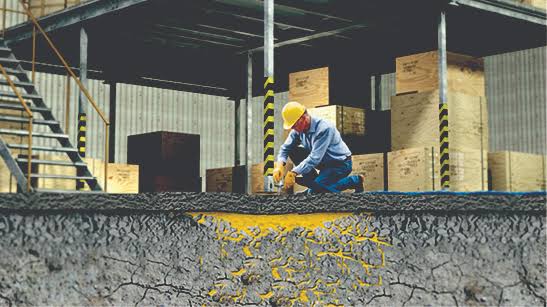
Commercial Foam Lifting Denver CO: Timing, Costs, and Soil Effects
Commercial foam lifting Denver CO: timing, costs, and soil effects
⏱️ 8 min read · Last updated: 2026
Commercial foam lifting Denver CO is a practical way to fix uneven concrete, but the best results depend on local conditions. In Denver, the ground beneath a slab can move because of bentonite clay, freeze-thaw cycles, and high elevation. Understanding those factors helps you choose the right time, budget, and repair plan for a lasting lift, especially when commercial foam lifting Denver CO has to perform in changing soil conditions.
Source: dataintelo.com
Quick Answer: Commercial foam lifting Denver CO is a fast, precise way to lift uneven concrete, with 2026 costs of $5 to $25 per square foot. Denver’s bentonite clay, freeze-thaw cycles, high altitude, and permit timelines all affect results, so timing and site conditions matter.
Key Facts
- Average cost: $5–$25 per square foot as of 2026
- Denver area bentonite clay shrink-swell index is 3.5 to 5.5
- Denver experiences approximately 120 freeze-thaw cycles annually
- High altitude reduces polyurethane foam expansion by 5-10%
- Denver city commercial concrete permit processing takes 20-30 days
How does Denver bentonite soil affect commercial foam lifting results?
Bentonite clay in Denver is unforgiving. It shifts with moisture changes, so the ground keeps pushing slabs up and letting them settle back down. That movement means a lift can look perfect at first and still change later if the soil stays active.
Because of that movement, foam lifting is often a practical repair choice. The injected polyurethane is designed to stabilize the slab, and its slight flexibility helps it cope with soil shifts better than old-school mudjacking.
If your property sits on this type of clay, foam is a strong choice for keeping surfaces level and reducing future settling. If the shrink-swell index is above 5, though, the repair should usually include moisture control too.
Denver’s bentonite clay soil has a shrink-swell index of 3.5 to 5.5, affecting concrete slab stability.
That is why a simple surface fix is not always enough. If the slab settles again after rain, the soil is likely still moving. In that case, foam lifting may help, but it should be part of a broader plan.
The best time for foam lifting in Denver
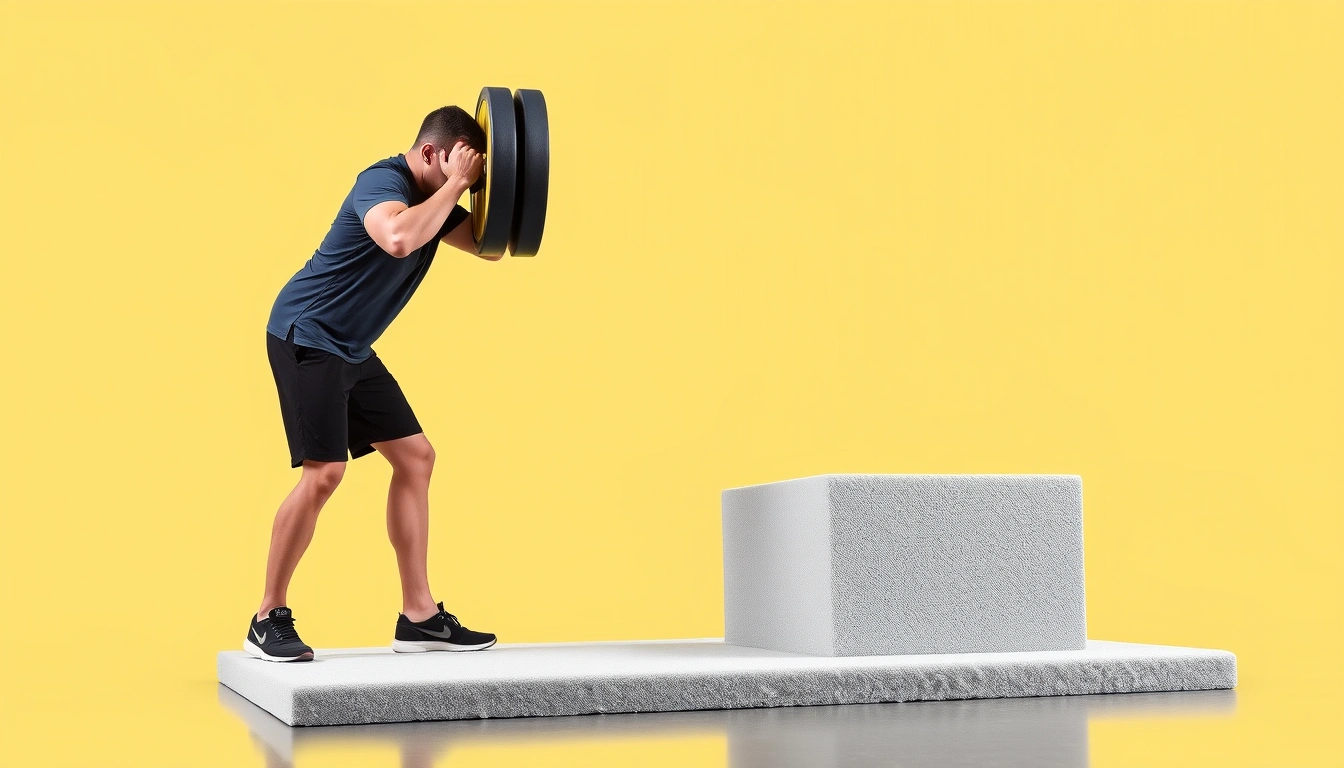
Once the soil behavior is clear, timing becomes the next major factor. Late spring and early summer—especially May, June, and early July—are the best months for foam lifting in Denver. By then, the ground has thawed, summer rain is not at its peak, and temperatures stay above freezing.
This window matters because Denver has about 120 freeze-thaw cycles each year. With that much expansion and contraction, timing plays a big role in how well the foam cures and holds the slab.
Cold weather slows the chemical reaction, so the foam can expand unevenly. A project started in November may seem fine at first, then fail once temperatures swing again.
💡 Pro Tip: Schedule your foam lifting project between May and July for optimal results in Denver’s climate.
So if you are planning a project in winter, it is often smarter to wait. A short delay can help avoid freeze-thaw issues and improve long-term performance.
Understanding foam lifting costs in Denver
Budget $5 to $25 per square foot for commercial foam lifting Denver CO in 2026. That range is a starting point, and the final price depends on slab size, access, and what the soil report shows.
Compared with mudjacking, foam lifting is often the faster and more cost-effective option. It is also less disruptive for occupied commercial sites, which helps when access and scheduling are tight.
Always get three quotes. Make sure each one lists soil analysis, permit fees, and material costs. Compare like for like, and use a commercial foam lifting cost estimate calculator first if you want a clearer benchmark.
Average foam lifting cost in Denver: $5–$25 per square foot in 2026.
That mix of speed and value is why many property owners consider foam lifting first. If you need a fast repair with less downtime, this method can be a smart fit.
Why altitude matters in foam lifting
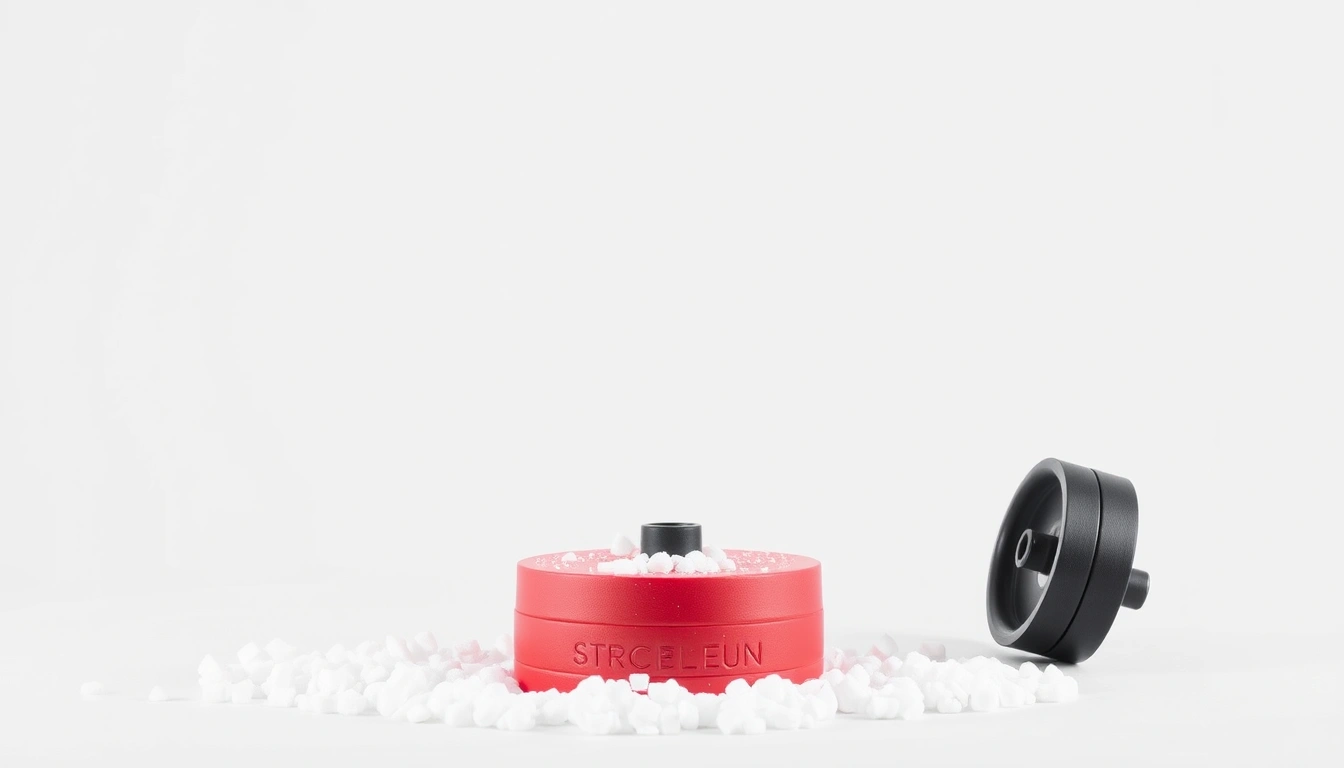
At more than 5,000 feet, Denver’s air is thinner. That affects polyurethane foam and can reduce expansion by 5% to 10% compared with sea level. Less expansion means the foam fills voids less aggressively.
To compensate, local crews adjust the formula and change injection patterns. Those small changes help the foam perform properly at altitude, while an inexperienced contractor may need a callback later.
⚠️ Avoid This Mistake: Underestimating the impact of altitude on foam expansion can lead to inadequate leveling and future issues.
Because of that, it is worth asking whether the contractor has real Denver experience. If not, the lift may not hold as expected.
Navigating permits for commercial foam lifting
You will need a permit. The City of Denver’s Community Planning and Development office handles commercial concrete work, and the process usually takes 20 to 30 days.
That timeline matters, so build it into your schedule early. If your project has a fixed deadline, submit paperwork well in advance to avoid delays.
📊 Did You Know: Denver city permits for commercial concrete work take an average of 20-30 days to process.
For that reason, permitting should start before the repair date is set. Early approval helps the work move forward without avoidable setbacks.
When the standard advice is wrong
Even so, standard advice does not always fit every job. Severe weather or unusually unstable soil can override the usual timeline, so foam lifting should sometimes be part of a larger fix.
For example, severe bentonite shifts often need more than foam alone. Pairing the lift with drainage or soil stabilization can improve results and help the repair last longer through changing seasons.
| Situation | Best Path | Why Other Options Fail |
|---|---|---|
| Severe bentonite soil | Foam lifting + moisture control | Foam alone may not prevent future shifts |
| Extreme freeze-thaw cycles | Foam lifting in late spring | Winter installations risk improper curing |
| High altitude | Adjust foam formulation | Standard foam may not expand sufficiently |
So if any of these conditions apply, adjust the plan to the site rather than relying on general advice.
Key Takeaways
- Foam lifting costs $5–$25 per square foot in Denver.
- Schedule projects between May and July to avoid freeze-thaw issues.
- High altitude reduces foam expansion by 5-10%.
- Plan for a 20-30 day permit process in Denver.
Common questions about commercial foam lifting Denver CO
How does Denver bentonite clay affect commercial foam lifting durability?
Bentonite clay’s shrink-swell properties can move slabs and affect durability. Foam helps keep the surface level, but severe soil movement may require additional stabilization.
When is foam lifting not recommended for commercial properties in Denver winters?
Foam lifting is not recommended during Denver’s harsh winter months because freeze-thaw cycles can interfere with curing. Late spring or early summer is a better time.
How much does commercial foam lifting cost in Denver Colorado?
In 2026, commercial foam lifting in Denver costs between $5 and $25 per square foot. The final price depends on slab size, site conditions, and project requirements.
Does altitude affect how polyurethane foam expands during commercial lifting?
Yes. Denver’s high altitude reduces polyurethane foam expansion by about 5-10%. Applicators must adjust the foam formulation and application method.
What permits does Denver require for commercial concrete leveling?
Denver requires a commercial concrete permit for foam lifting projects. The City of Denver Community Planning and Development processes it, usually in 20-30 days.
The bottom line on commercial foam lifting Denver CO
Commercial foam lifting Denver CO is a smart fix for uneven commercial concrete in the city. It is efficient, minimally invasive, and well suited to Denver’s unique geology and weather. Still, the best results depend on timing, altitude adjustments, and early permit planning.
Start with a professional site assessment. Match your repair plan to the conditions under the slab, then choose the right schedule for the job. For a deeper dive into the process and local options, Foam Lifting for Commercial Properties in: Local Cost, Contractors, and What to Expect is worth a read.
Do not just read and move on. Pick one next step, such as checking your soil index or setting a May deadline, and act on it this week.
See also: commercial foam lifting
See also: commercial foam lifting cost estimate calculator
See also: commercial foam lifting Phoenix AZ
Related: Minneapolis commercial concrete leveling
Related: mudjacking vs polyurethane injection
Related: mudjacking price per square foot
See also: commercial foam lifting
See also: commercial foam lifting Denver CO
See also: commercial foam lifting process
Related Post

Commercial Foam Lifting Dallas TX: Costs, Contractors, and Timing in 2026
Commercial Foam Lifting Dallas TX: Costs, Contractors, and Timing in 2026 ⏱️ 8 min read…